These were the five questions of the 15 October 2026 round. Each story names its sources and how strong the evidence is.
Tags: about 200 kg per wheelchair.
Cape Town, South Africa (University of Cape Town)
Clue: Plastic bread tags from a campus in this city near Africa's south-western tip filled five huge bottles for wheelchairs.
Related photo
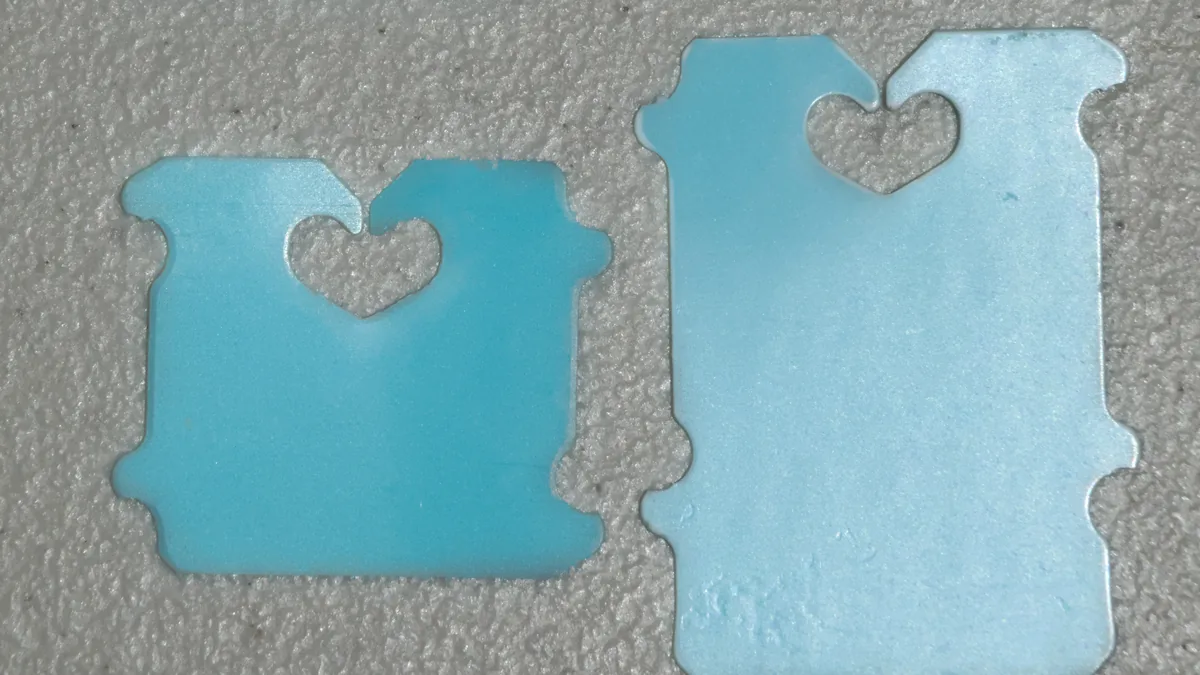
Two plastic bread clips (bread tags) on a rough surface. Not the Cape Town tags: the same kind of clip, photographed in 2025.Photo: “Various bread clips” by WrenFalcon (cropped) · CC BY 4.0 · via Wikimedia Commons
University of Cape Town tags went to Mary Honeybun's charity, which sold them to a packaging maker for seedling trays and photo frames. About 200 kg of tags paid for one wheelchair, and 167 went out in five years.
Evidence: Documented event · An event, reported by the source shownUCT News, 18 November 2011 ↗Checked 15 October 2026
Toothbrushes, footballs and a television
Roatán, Bay Islands, Honduras
Clue: Plastic forks, bottles and flip-flops floated in a carpet off this Caribbean island of Honduras.
Related photo
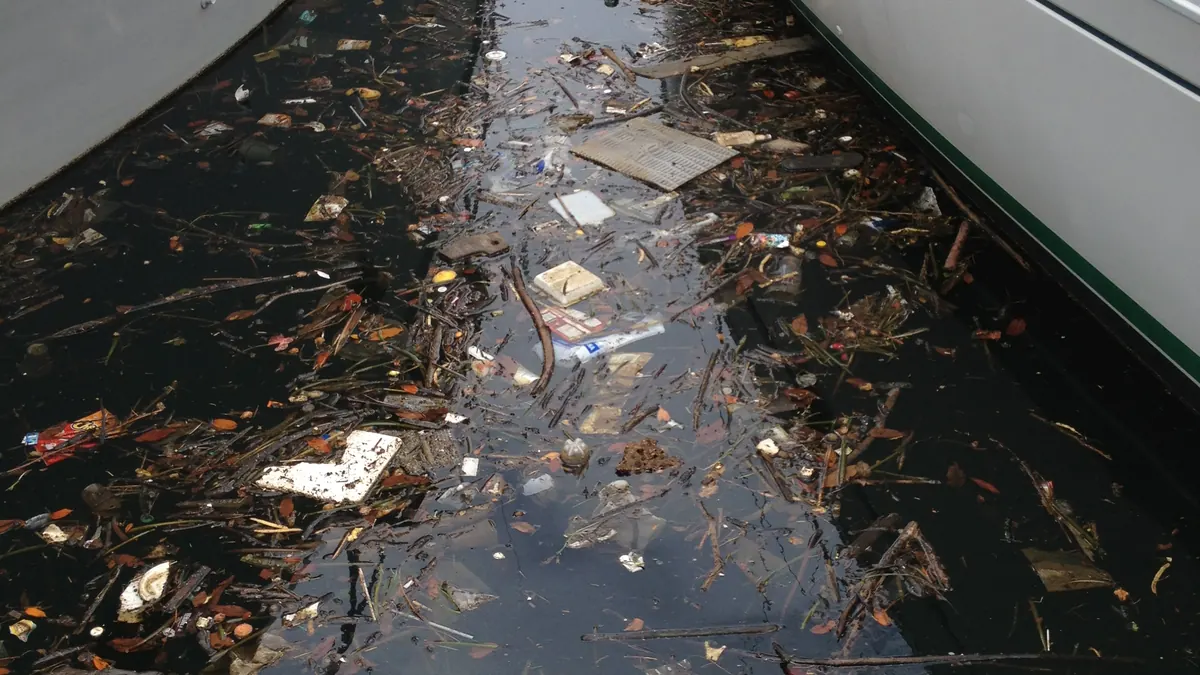
Plastic and other rubbish floating in a marina in Honolulu, Hawaii, before a 2012 cleanup. Not the Roatan rubbish.Photo: NOAA Marine Debris Program (cropped) · Public domain · via Wikimedia Commons
Blue Planet Society said the rubbish came from a river in Guatemala and drifted into Honduran waters after heavy rains. Caroline Power, who photographed it near Roatán in October 2017, wrote that it held toothbrushes, broken footballs and a television.
Clue: A scientist in this Spanish port city kept worms from her beehives in a plastic bag, and it filled with holes.
Related photo
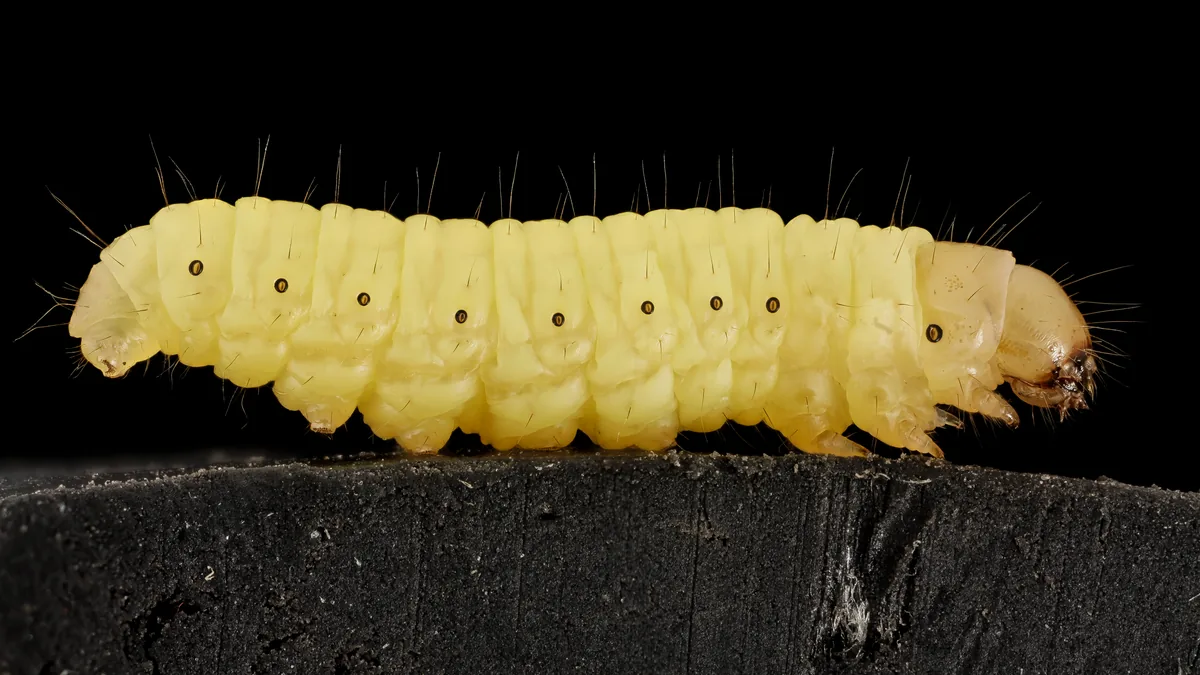
A wax moth caterpillar (Galleria mellonella), photographed in Maryland, USA, in 2015. Not one of the Santander worms.Photo: Sam Droege (cropped) · Public domain · via Wikimedia Commons
Holes started to appear after 40 minutes when Federica Bertocchini, a scientist in Santander, and Cambridge colleagues gave about 100 wax worms a supermarket bag (Current Biology, 2017). Mainz scientists later said the report of plastic-eating caterpillars 'appears highly doubtful'.
Clue: Some people swore plastic 100-dollar bills from this North American capital smelled of maple syrup.
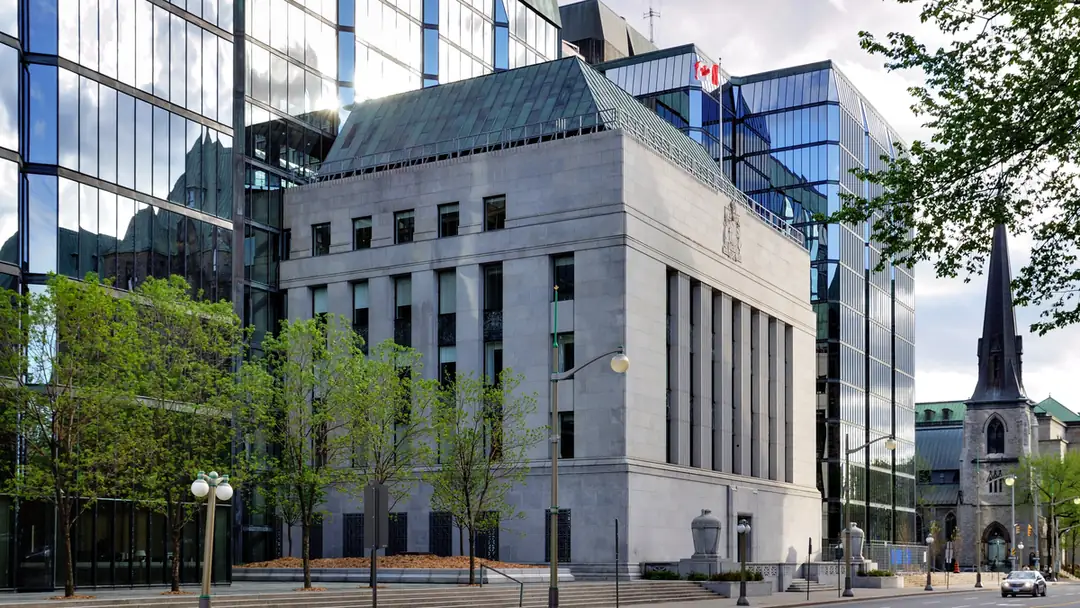
The Bank of Canada building on Wellington Street in Ottawa, in May 2009.Photo: “Ottawa - ON - Bank of Canada” by Wladyslaw (Taxiarchos228) (cropped) · CC BY-SA 3.0 · via Wikimedia Commons
The Bank of Canada in Ottawa said it had added no scent. Marilyn Jones-Gotman, a McGill smell expert, said people can smell a smell that isn't there. One Ontario mother found eight $100 bills melted by a radiator.
Evidence: Documented event · An event, reported by the source shownABC News, 29 May 2013 ↗Checked 15 October 2026
His bag lived in his pocket
Norrköping, Sweden
Clue: The man in this Swedish city who patented the plastic carrier bag carried one folded in his pocket, says his son.
Related photo
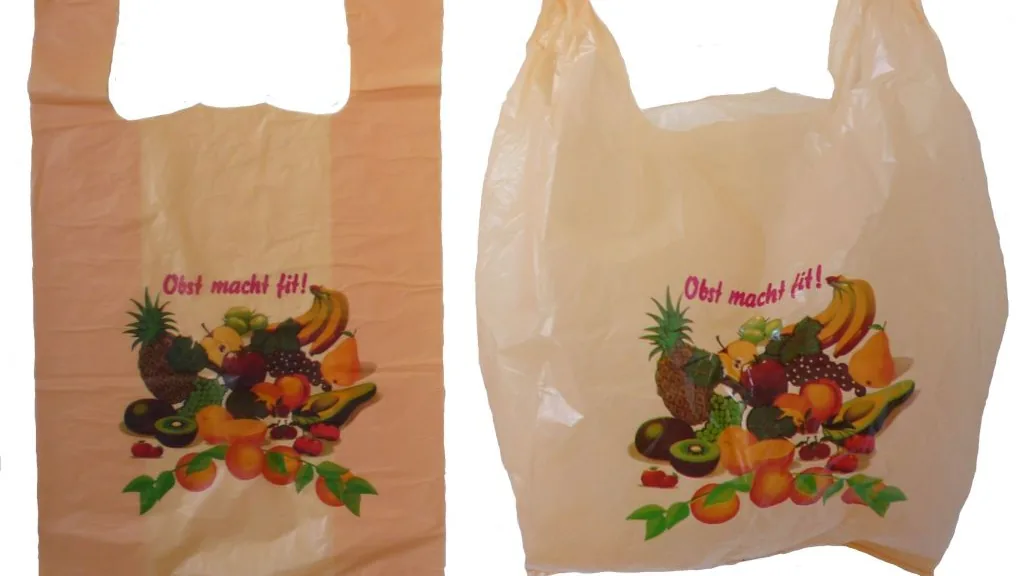
Two plastic carrier bags with a fruit print. Not Thulin's 1965 bag: the same kind of bag, photographed in 2011.Photo: “Hemdchentuete” by Phrontis (cropped) · CC BY-SA 3.0 · via Wikimedia Commons
His father would have found it bizarre that people throw them away, Raoul Thulin told the BBC in 2019. He called Sten Gustaf Thulin's bag, patented in 1965 for Celloplast of Norrköping, a big step up from paper.
 Related photo