Clue: Monks at a temple near this Southeast Asian capital crushed plastic bottles to make saffron robes.
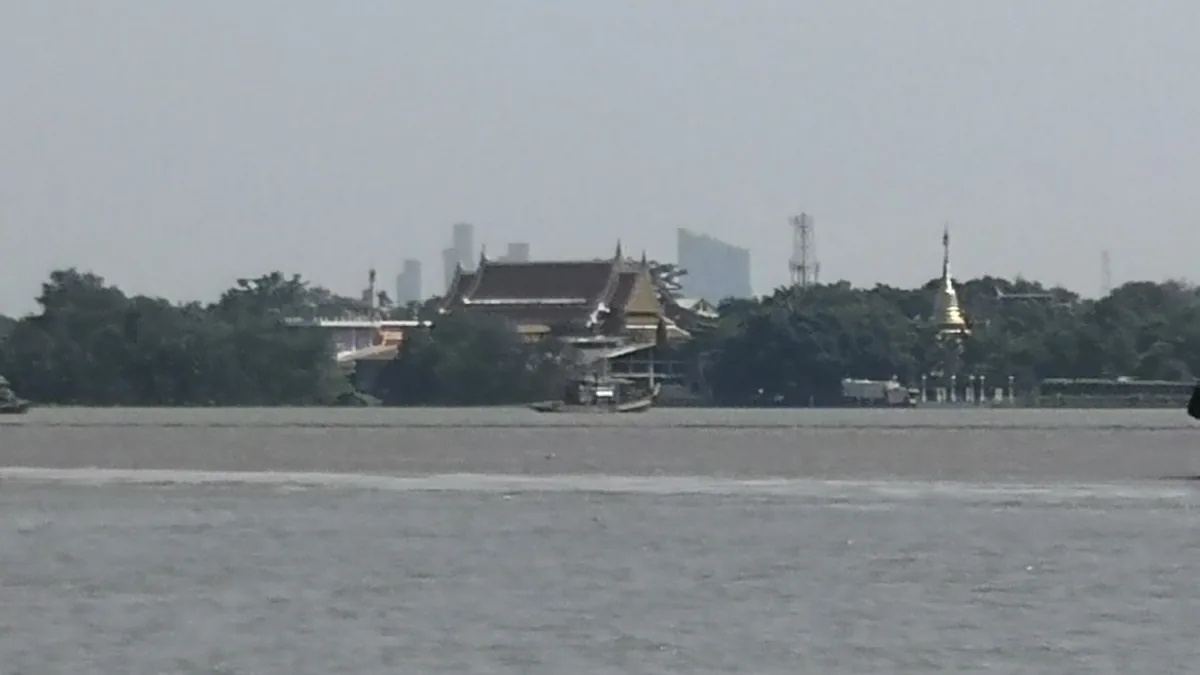
Wat Chak Daeng seen across the Chao Phraya River in Phra Pradaeng, Samut Prakan, in 2020. A place photo, not of the robe-making.Photo: “วัดจากแดง 1” by Dharmadana (cropped) · CC BY-SA 4.0 · via Wikimedia Commons
Temples usually get food as alms, but devotees at Wat Chak Daeng in Samut Prakan brought plastic bottles. One kilogram can help make a full set of robes, said abbot Phra Maha Pranom. The temple made at least 800 sets.
Evidence: Documented event · An event, reported by the source shownLiCAS.news, 7 February 2020 ↗Checked 15 October 2026
Too smelly for the neighbours.
Industrial Area, Nairobi, Kenya (Gjenge Makers)
Clue: A data analyst quit her oil job, then pressed shampoo bottle plastic into paving bricks in this Kenyan city.
Nzambi Matee told the UN she shut down her social life for a year and put all her savings in. Neighbours complained of the smell, she said. Her Nairobi firm's name, Gjenge, comes from jijenge, Kiswahili for 'build yourself'.
Evidence: Documented event · An event, reported by the source shownFreethink, 11 February 2021 ↗Checked 15 October 2026
Water on the boss's mail.
Akron, Ohio, USA
Clue: Trying to glue rubber to metal, a chemist in this Ohio city turned stiff PVC into a stretchy jelly.
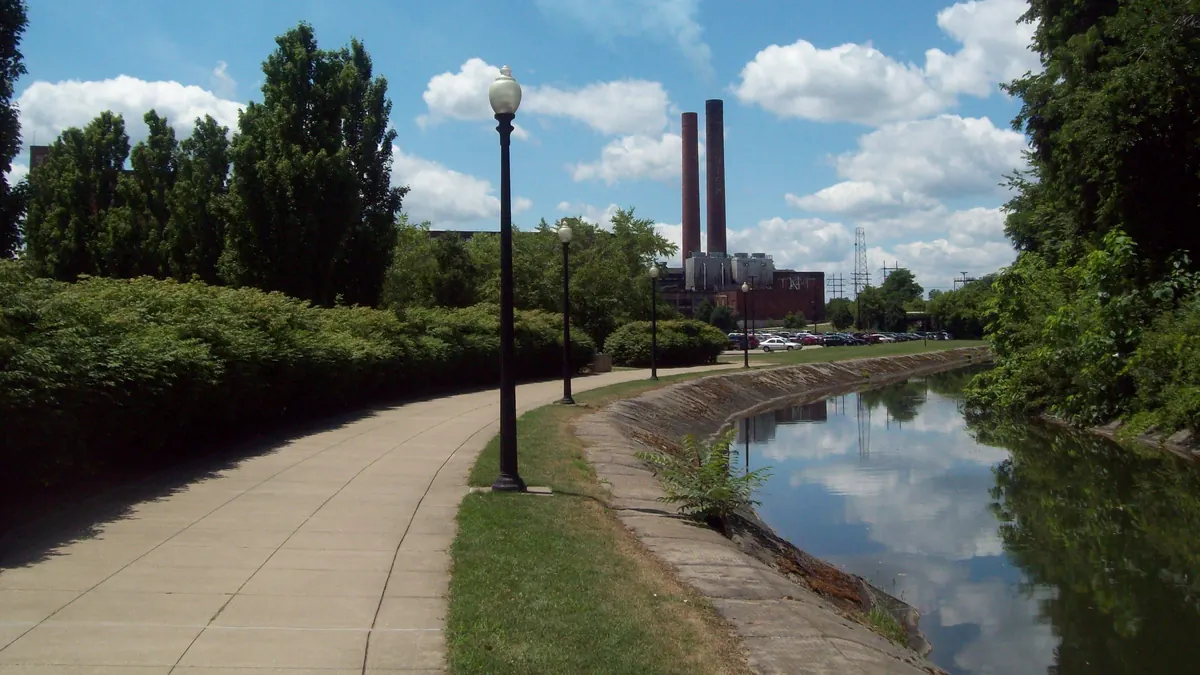
The former BFGoodrich plant in Akron, Ohio, seen from a path beside a canal.Photo: Sleepydre (cropped) · Public domain · via Wikimedia Commons
At BFGoodrich in Akron, Waldo Semon poured water over PVC-coated cloth on the mail of a sales boss long soaked by his 'waterproof' tent. The boss was really frightened, Semon recalled, but it didn't leak. Raincoats and shower curtains followed.
Evidence: Documented event · An event, reported by the source shownLemelson-MIT: Waldo Semon ↗Checked 15 October 2026
Burned, buried or dumped.
Lake Hovsgol, Mongolia
Clue: This remote Mongolian lake was more polluted with tiny plastic bits than two of the Great Lakes.
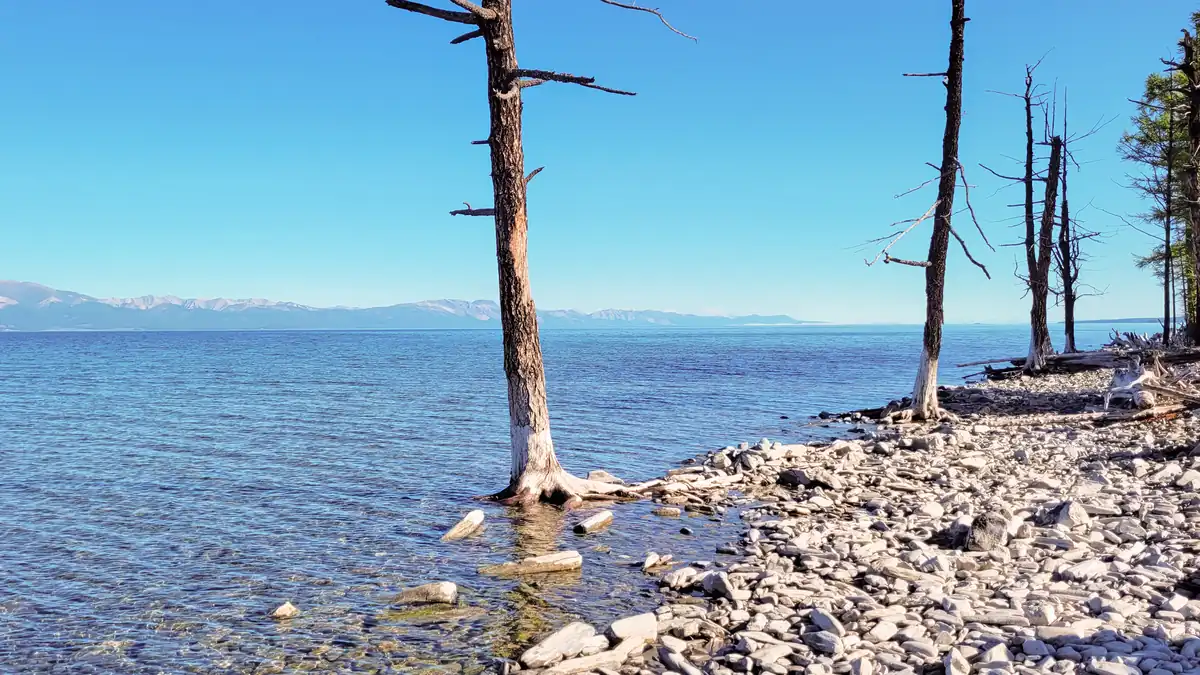
The clear water and stony shore of Lake Hovsgol in northern Mongolia, with mountains beyond, in June 2023.Photo: Bernard Gagnon (cropped) · CC0 1.0 · via Wikimedia Commons
About 6,000 people lived around Lake Hovsgol, against three million around Lake Huron (Marine Pollution Bulletin, 2014). Hovsgol's park had no waste facilities: households burned, buried or dumped trash, and shore litter was largely plastic bottles, fishing gear and bags.
Clue: Lego octopuses, dragons and scuba tanks went overboard in a storm off this British headland.
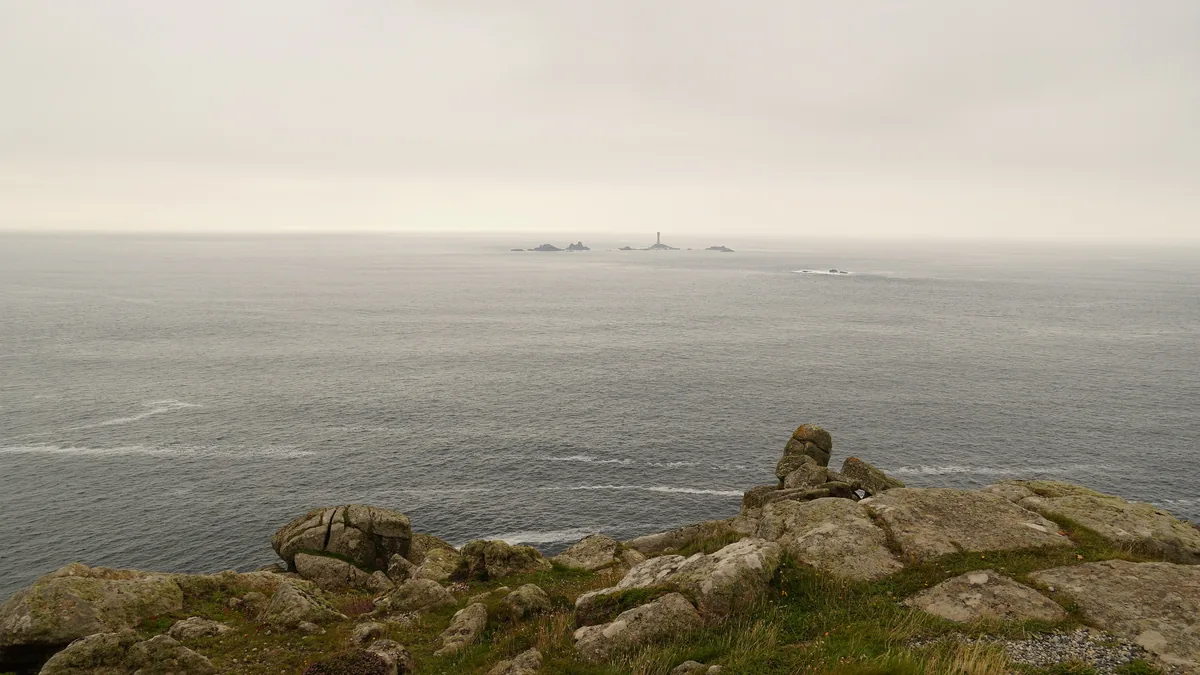
The sea off Land's End, with Longships lighthouse in the distance (2019).Photo: Mycreativesideunleashed (resized) · CC BY-SA 4.0 · via Wikimedia Commons
Of nearly five million Lego pieces lost off Land's End in 1997, many were for sea adventure kits: 97,500 scuba tanks, 26,600 life preservers, 4,200 octopuses. In 2024 a 13-year-old found an octopus after two years of searching.
Evidence: Documented event · An event, reported by the source shownSTV News, 27 April 2024 ↗Checked 15 October 2026