These were the five questions of the 5 November 2026 round. Each story names its sources and how strong the evidence is.
Lamu's flip-flop boat went to sea
Lamu, Lamu Island, Kenya
Clue: Decked out in 30,000 flip-flops, a plastic boat sailed from this Kenyan island town to Zanzibar.
Dhows are traditionally wooden, but boatbuilder Ali Skanda and volunteers built the Flipflopi on Lamu Island from 10 tonnes of plastic picked up in clean-ups. In 2019, UN News called it the first dhow made entirely from recycled plastic.
Clue: A tamale seller offered plastic spoons the day this Mexican megacity's ban on plastic cutlery began.
Related photo
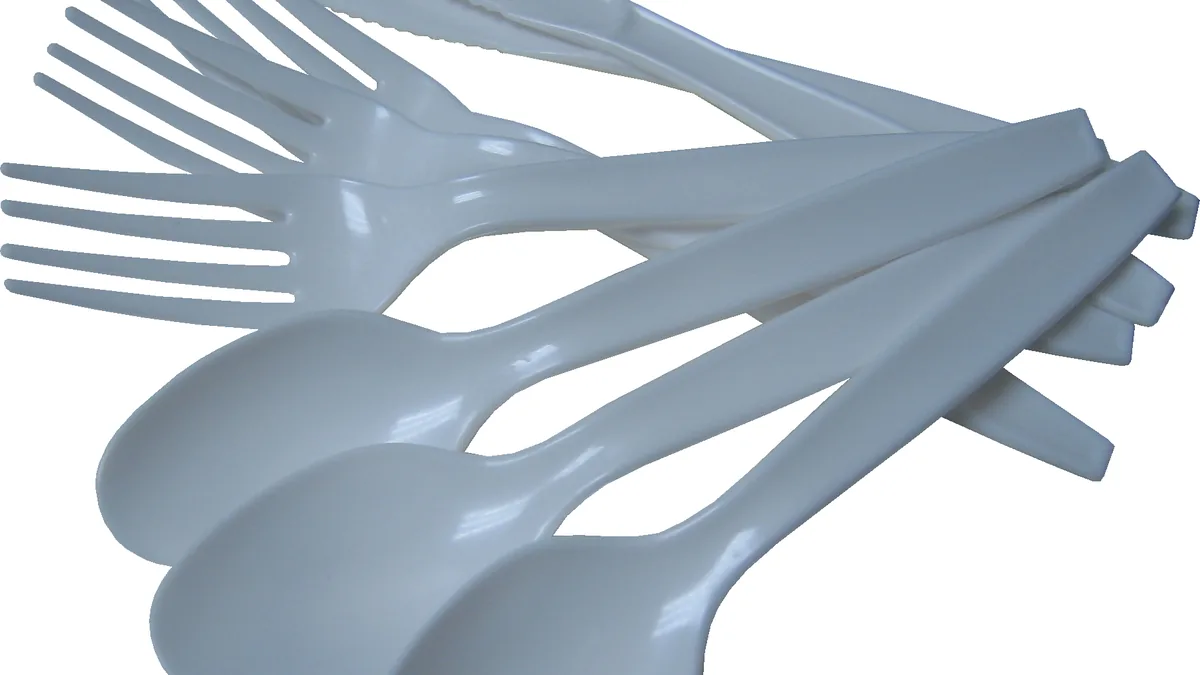
Disposable plastic forks, spoons and knives, the kind Mexico City banned. A stock photo, not from Mexico City or the day the ban began.Photo: Alanthebox (cropped) · CC0 1.0 · via Wikimedia Commons
The tamale seller knew of the ban, AP reported, but asked how she could give customers steaming hot tamales without a plastic bag. That day, the city's environmental secretary tweeted that from then on Mexico City was without single-use plastics.
Evidence: Documented event · An event, reported by the source shownAfar, 4 January 2021 ↗Checked 4 November 2026
Campfires, not lava, made it.
Kamilo Beach, Hawaiʻi Island, Hawaii, USA
Clue: Plastic bottle caps and fishing nets melted onto lava rock on this Big Island beach, making a new 'stone'.
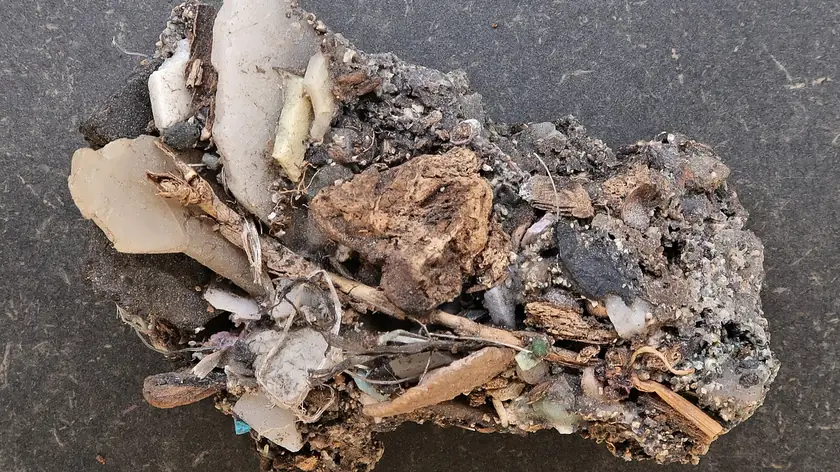
A lump of plastiglomerate from Kamilo Beach: beach plastic, probably melted by a fire, fused with sand, stones and wood. It was collected in 2013.Photo: “Plastiglomerat, Kamilo Beach, Hawaii, USA” by Ra'ike (cropped) · CC BY-SA 3.0 DE · via Wikimedia Commons
Oceanographer Charles Moore, who found it, thought lava had melted the plastic. A geologist and an artist came to check: no recorded lava flow of the past century had reached Kamilo Beach. They traced it to campfires (GSA Today, 2014).
Clue: Plastic pellets lost in a storm in this South African port became a prize hunt far down the coast.
Related photo
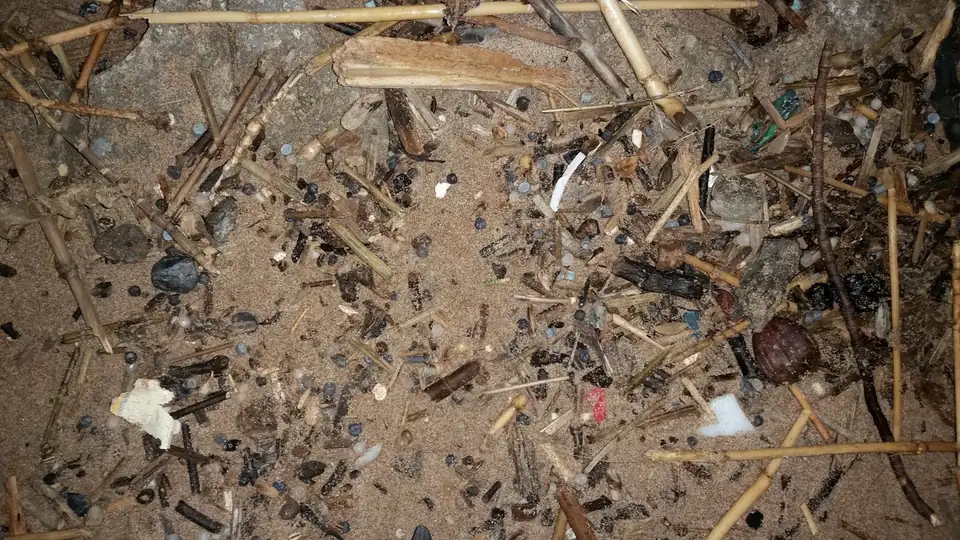
Plastic pellets (nurdles) mixed with debris on a beach at Dawlish Warren, England, in 2019. Not the Durban spill, but the same kind of pellet.Photo: “Dawlish Warren Nurdles” by Partonez (resized) · CC BY-SA 4.0 · via Wikimedia Commons
Months later, residents of Plettenberg Bay, a coastal holiday town, collected about 20,800 pellets in a nurdle hunt run by the Nature's Valley Trust. South Africa's environment department estimated 49 tons were lost when two containers fell into Durban's harbour.
Clue: A chemist spun soft plastic contact lenses at home on a toy set in this Central European capital.
Related photo
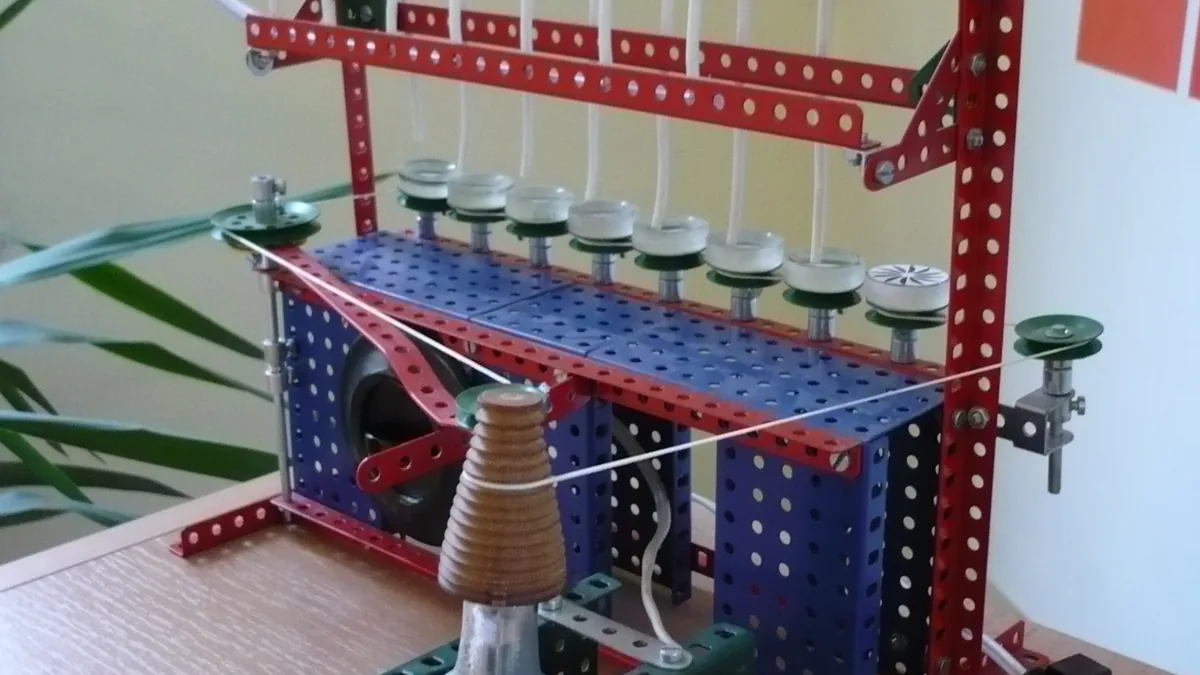
A museum model of a centrifugal lens-casting machine built from a Merkur toy construction set, as Otto Wichterle built his; photographed in Police nad Metují, Czechia, in 2008.Photo: JanSuchy (cropped) · Public domain · via Wikimedia Commons
The health ministry had cancelled the research, so Otto Wichterle and his wife Linda spun them at home in Prague over Christmas 1961, making thousands within weeks. Radio Prague says hundreds of millions wear contacts daily.