These were the five questions of the 7 November 2026 round. Each story names its sources and how strong the evidence is.
Googly eyes and a Guinness record.
Inner Harbor at the Jones Falls, Baltimore, Maryland, USA
Clue: A googly-eyed trash wheel scoops plastic from the harbour of this Chesapeake Bay city.
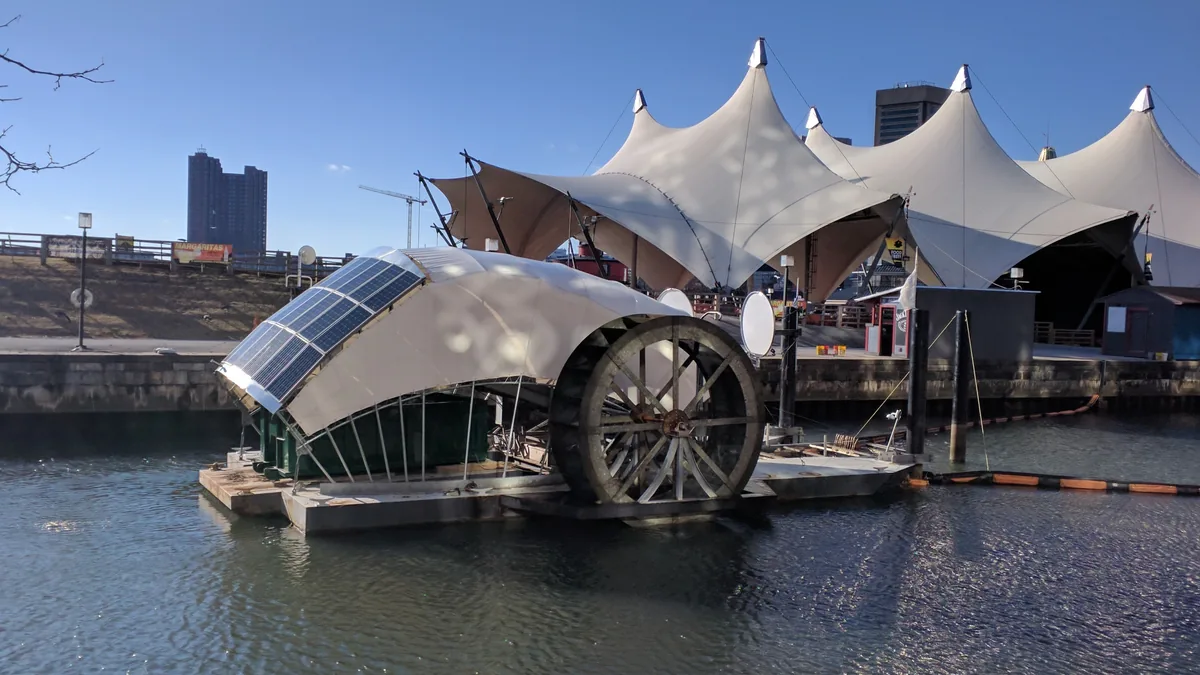
Mr. Trash Wheel, his googly eyes seen from behind, moored where the Jones Falls flows into Baltimore's Inner Harbor.Photo: Dicklyon (cropped) · CC BY-SA 4.0 · via Wikimedia Commons
Meet Baltimore's Mr. Trash Wheel: Adam Lindquist added the eyes and the name to help engage the community. By the Waterfront Partnership's estimate, his Guinness record haul from 2014 to 2023 included about 1.2 million plastic bottles.
Clue: About 30 plastic bags were inside a whale that kept stranding on this Norwegian island near Bergen.
Related photo
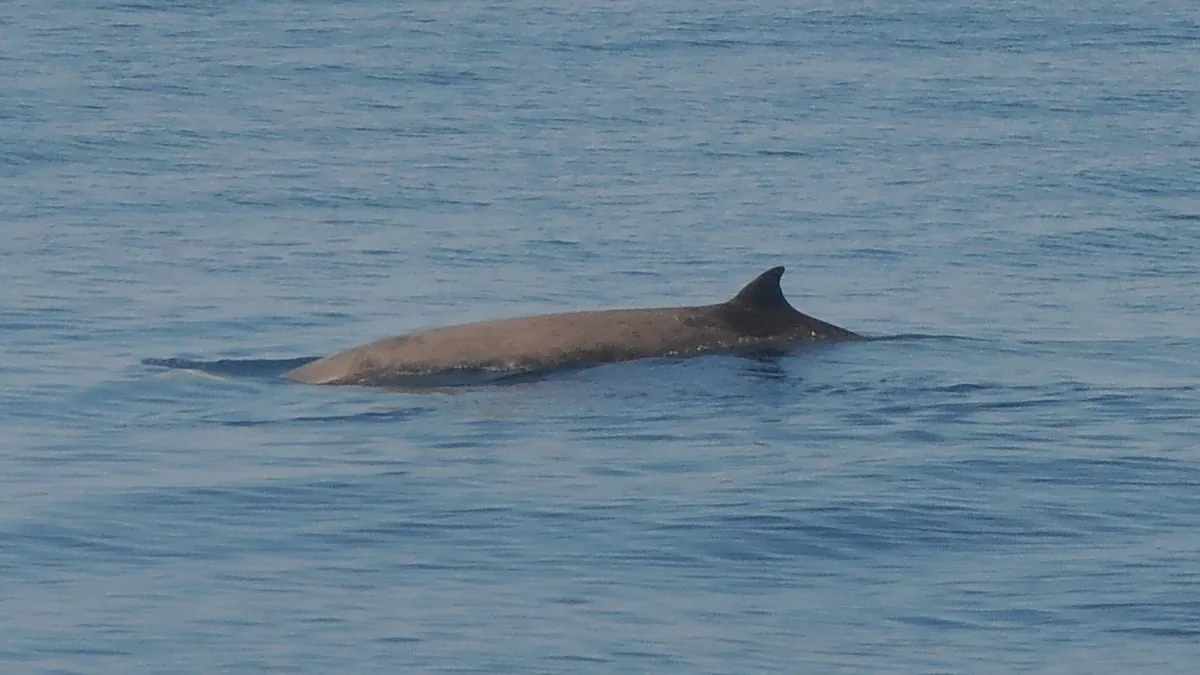
A Cuvier's beaked whale, the species of the Sotra whale, surfacing off Liguria, Italy, in July 2016. Not the whale from the story.Photo: Emmanuelbaltasar (cropped) · CC BY-SA 4.0 · via Wikimedia Commons
Its stomach was full of plastic bags and packaging labelled in Danish and English, zoologist Terje Lislevand said. It was put down on Sotra in January 2017. Its intestine held no food, only some remnants of a squid's head.
Clue: Snow scooped with a mug, spoon or soup ladle in the east of this strait between Greenland and Svalbard held plastic.
Related photo
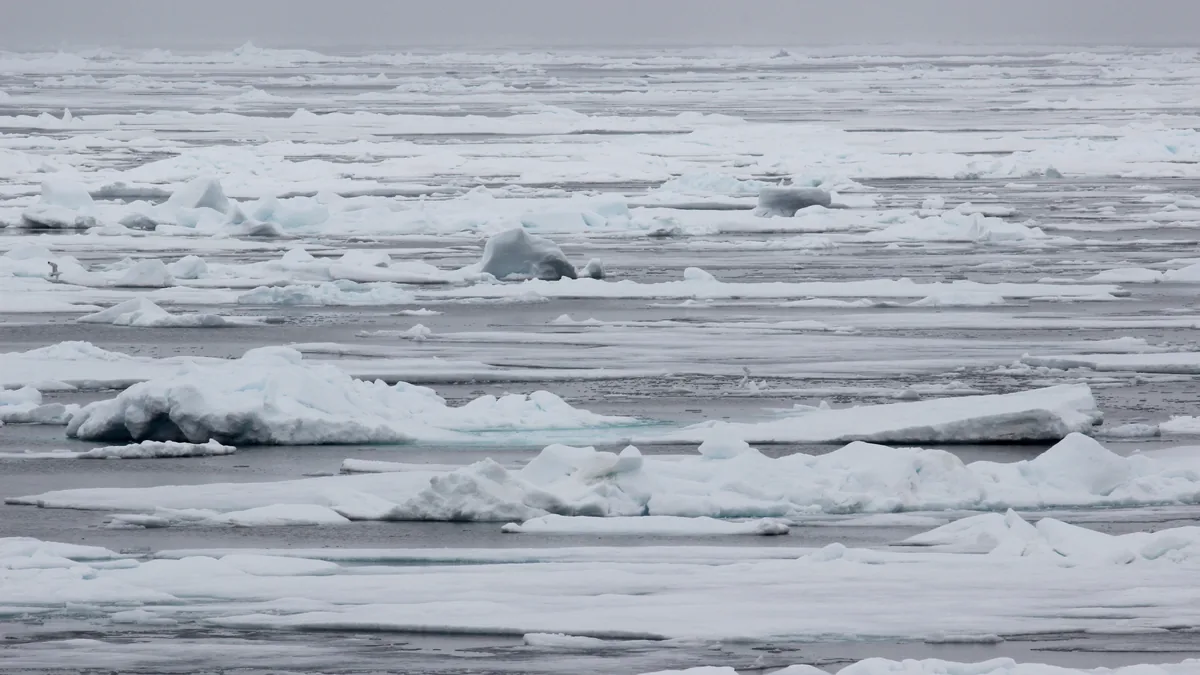
Broken Arctic sea ice near Svalbard in July 2015. Not the Fram Strait floes sampled in the study.Photo: “Ice Cruising in the Arctic” by Gary Bembridge (cropped) · CC BY 2.0 · via Wikimedia Commons
Melanie Bergmann's team found up to 14,400 plastic bits per litre in snow on Fram Strait ice floes (Science Advances, 2019). Snow in Europe held more. The authors say plastic may be blown to the Arctic from faraway cities.
Clue: An engineer in this Italian city pencilled 'Made polypropylene' in his diary, later the plastic of combs and toy cars.
Related photo
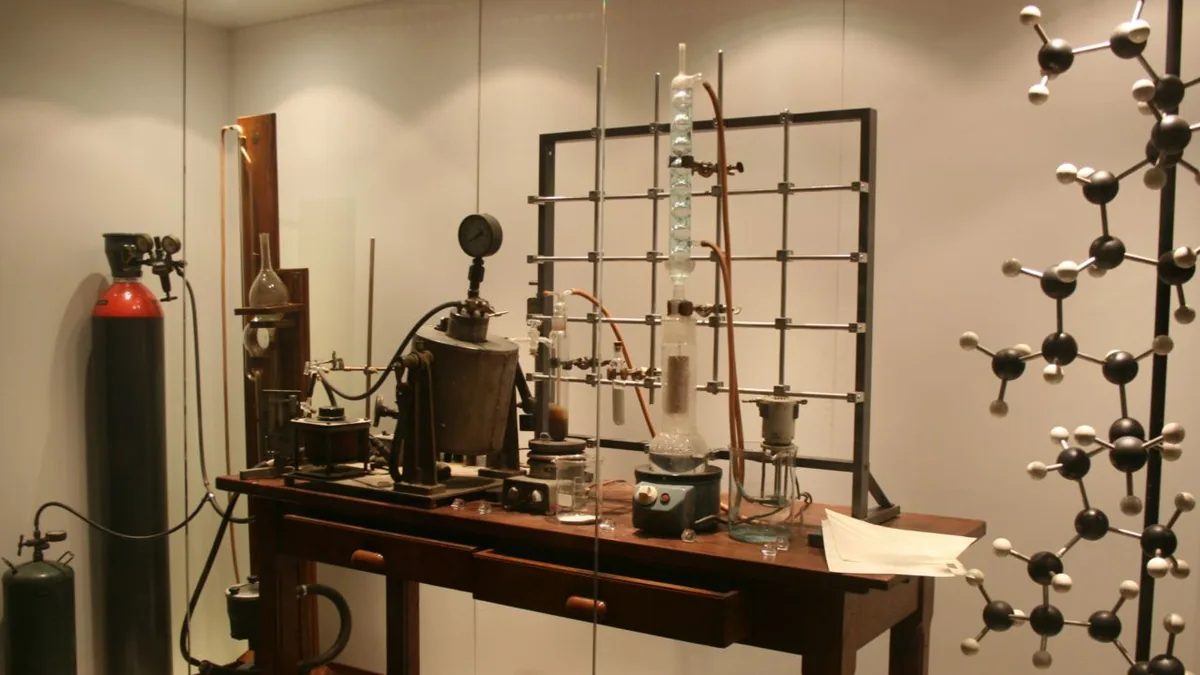
Laboratory equipment for making polypropylene, with copies of Giulio Natta's lecture notes, on display at Milan's National Museum of Science and Technology.Photo: Museo Nazionale della Scienza e della Tecnologia Leonardo da Vinci, Milano (cropped) · CC BY-SA 4.0 · via Wikimedia Commons
In a 1961 TV advert, actor Gino Bramieri played a dad whose son's tin bath had a hole, and the fix was Moplen polypropylene. Giulio Natta, who made it at Milan's Politecnico, won the 1963 Nobel Prize in Chemistry.
Clue: A police officer paid for lunch with 1 kg of plastic waste in this city in Chhattisgarh, India.
Half a kilo got you breakfast at Ambikapur's Garbage Cafe, reported as India's first, opened in 2019 to feed the poor. Constable Ajay Vishwakarma ate on day one. The city already had a road made with 800,000 plastic bags.